
What Happens During a Tooth Extraction?
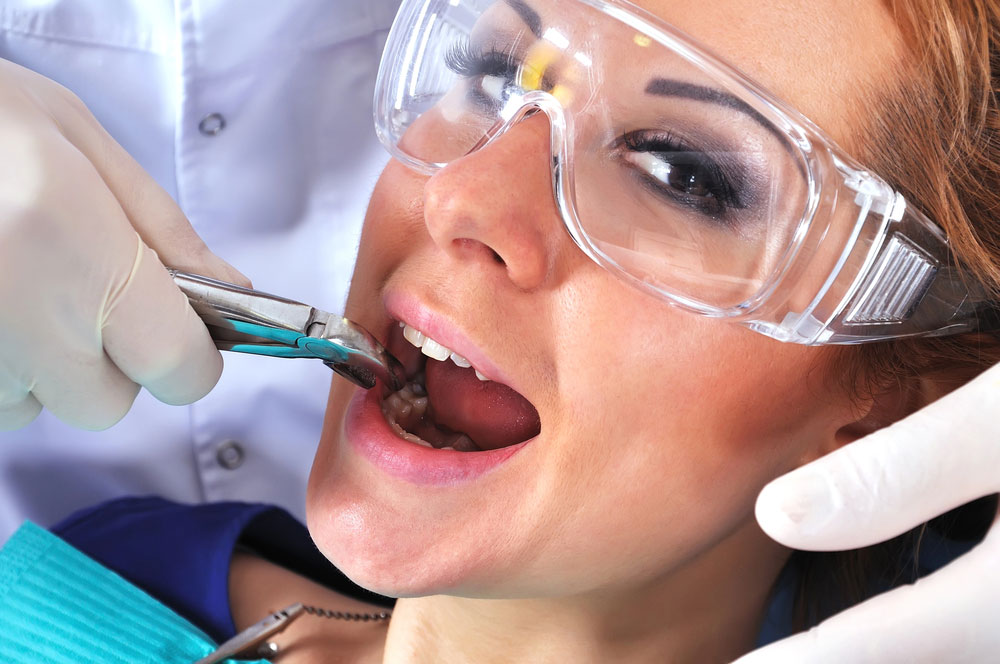
At Smiles on Main Plymouth, our experienced dental team provides dental extractions when teeth are severely damaged or infected beyond repair, involving a complete removal of the tooth from the socket. While the preference is to keep natural teeth whenever possible, there are times when a problematic tooth needs to be removed, and we can complete this treatment safely and comfortably.
If you need a tooth extraction, then this guide can give you the peace of mind before your appointment. We’re sharing everything you need to know about the treatment process, so you know what to expect when you are sitting in the dental chair.
Reasons a Tooth May Need to Be Extracted
One of the first questions that patients often ask: Is it really necessary to remove my tooth? Our experienced dental team always explores alternative treatment options first before determining whether a tooth extraction is actually necessary. We use extractions as a last-resort treatment when other dental services are not sufficient to save the tooth and protect your oral health.
Some of the most common reasons why tooth extraction might be essential include:
- Severe Decay or Tooth Infection: If too much of the tooth has been destroyed by the decay and there is a risk of the infection spreading, then it might be necessary to remove the tooth in order to prevent further complications.
- Advanced Gum Disease: A significant loss of bone and tissue around the tooth means that there isn’t a strong enough foundation to hold the tooth in place. Sometimes, removing the tooth is required to protect the surrounding teeth.
- Overcrowding and Orthodontics: If you are preparing for orthodontic treatment, then dental extractions might be part of the preparatory step to make space in your mouth. Removing the problematic teeth can create space to align the rest of the teeth as needed.
- Wisdom Teeth: Most people require wisdom tooth removal because there isn’t enough space in the mouth for these back molars to grow in. Wisdom tooth removal is a preventive treatment to reduce the risk of infection or overcrowding, especially when the molars are impacted or partially trapped beneath the gumline.
- Damaged Tooth: If a crack in your tooth extends below the gumline and into the root, there isn’t a way to restore the tooth. So, tooth removal might be needed at this point.
Simple vs. Surgical Tooth Extractions: What Is the Difference?
Our experienced dental team offers different types of tooth extractions, depending on the location and size of the tooth that needs to be removed. No matter the type of extraction that you are having, we always use local anesthesia to numb the area so that you will feel no pain during the appointment.
A simple extraction is fast and easy; an effective solution for teeth that have fully erupted and are visible above the gumline. With this treatment, the dentist carefully loosens the tooth and then uses specialized dental instruments to remove it from the jawbone.
Surgical tooth extractions are more involved and sometimes required if a tooth is broken at the gumline or impacted. In order to access the tooth, the dentist must make a small incision in the gum tissue. Then, it’s common to section the tooth into pieces so that it is easier to remove.
What to Expect: The Step-by-Step Process During a Tooth Removal Appointment
The most important thing that you need to know is that our dental team takes a proactive approach to ensure your comfort at all times. Not only have we invested in modern dental technology to provide the best experience possible, but we also offer local anesthesia so that you won’t feel any pain when the tooth is being removed.
Here’s the step-by-step process that you can expect when you need a tooth extraction:
- Consultation: We will complete an initial evaluation and full examination to explore various treatment options. Our dental team will review your medical history and look at digital images to determine the position and extent of damage to the affected tooth. Then, we plan the treatment based on your needs.
- Anesthesia: A numbing shot is injected near the tooth so that the treatment area is numb and you won’t experience any pain during the treatment.
- Tooth Removal: Modern dental tools are used to loosen and remove the tooth, using either a simple extraction method or a more advanced surgical extraction.
- Healing and Recovery: After the tooth is out, gauze is placed over the socket to stop the bleeding and help with the formation of a clot. You will have detailed post-care instructions to support the healing process and prevent complications.
Recovery After Dental Extractions
During the first 24 hours after tooth extraction, it’s essential that you avoid rinsing your mouth or spitting forcefully. Don’t drink from a straw because the pressure could disrupt the clot formation and cause a painful condition known as a dry socket.
You might have a bit of discomfort and swelling, which can be treated with over-the-counter pain medications and ice packs. Stick with a soft diet, eating foods such as yogurt, mashed potatoes, and soup during the first few days. Avoid chewing on the side of the mouth where the tooth was extracted.
Contact our dental office as soon as possible if you notice any potential complications, such as a fever, worsening pain after a few days, or a bad taste in your mouth.
Typically, the initial healing is done within 1-2 weeks when the gum tissue closes over the socket. But complete bone healing requires 3-6 months.
Frequently Asked Questions About Tooth Extractions
Is a tooth extraction painful?
No, you won’t feel any pain during the treatment because we use a local anesthetic to numb the area. Most patients describe the sensation as pressure. A bit of discomfort after the treatment can be managed with over-the-counter pain medications.
How long does a tooth extraction take?
This treatment can usually be done in 20-40 minutes, but surgical cases require a bit more time (depending on the tooth’s position).
Do I need to replace the extracted tooth?
We recommend tooth replacement after extraction. Options include a dental implant, bridge, or partial dentures.